If You Quit Today: What Happens in the Next 12 Weeks
A week-by-week honest simulation of life after quitting. No Instagram version: what it actually feels like, and what to do about it.
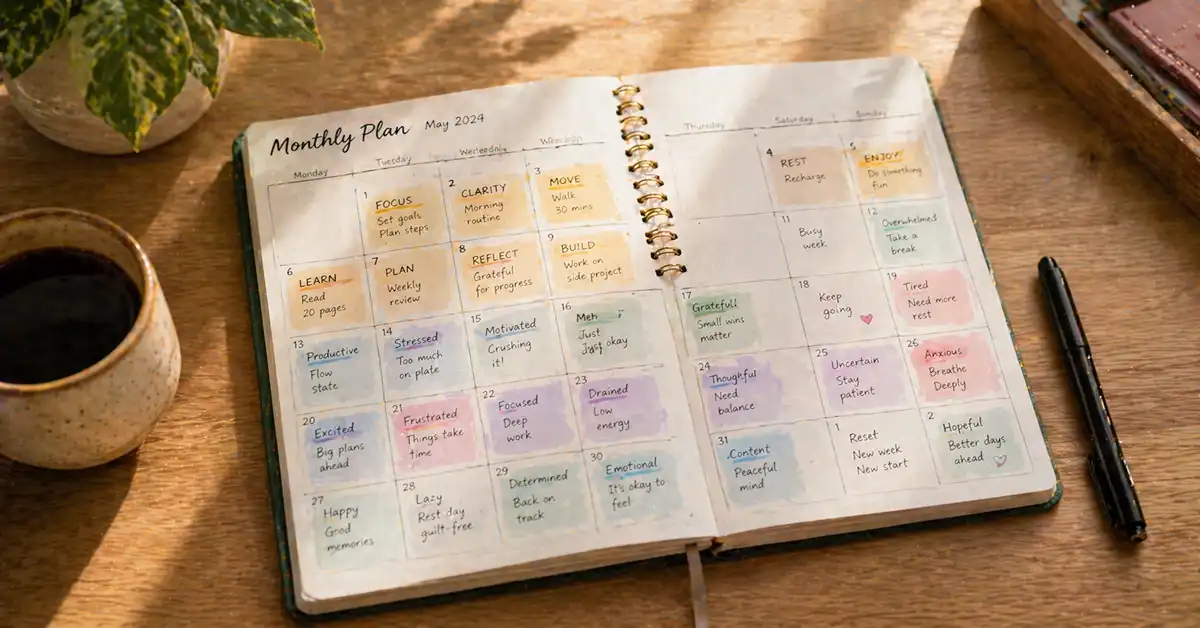
You hand in your notice. Your last day comes. You walk out the door.
Then what?
Most people picture something vague: open mornings, quiet, relief. That part is real, for a stretch. But the weeks after quitting follow a pretty predictable shape, and knowing that shape ahead of time makes it much easier to get through.
Here’s what tends to actually happen, week by week.
Week 1: Relief and Paperwork
The relief is real. Let yourself feel it.
But Week 1 also comes with a short list of practical things worth handling while you still have the energy and the access.
Handle the admin. Confirm your final paycheck date and amount. Return your equipment. Grab copies of anything you’re owed: references, work samples if allowed, contact details for the people you want to keep.
Sort your benefits. Health cover continuation, especially in the US. Pension transfers if you need them. Know what changes and what you have to do about it.
Give yourself the week. Not for job hunting, not for planning your whole future. Just to come down. The job has been living in your head for a long time. It takes a few days before you stop bracing for the next thing to go wrong.
Week 2: The Honeymoon
This is usually the best week of the whole twelve.
You wake up with no alarm. You finally get to the things you’ve been putting off for months. For maybe the first time in a while, you feel like yourself.
Enjoy it. It’s not a red flag. It’s just the first real exhale.
One thing worth watching: the pull to treat this week as proof that everything’s fine and you can coast. It’s not proof of anything. It’s just the natural relief of a stressor being gone. What comes next is a different story.
Weeks 3-4: The Identity Wobble
This is where things get less straightforward.
Somewhere around Week 3, a strange feeling tends to show up. The first rush of relief has worn off. The daily structure work gave you, the shape it put on your time even when you hated it, is gone. Without it, the days start feeling a little formless.
You might catch yourself unsure what to do at 10am on a Tuesday. A vague sense of pointlessness that surprises you. If your job was tangled up with how you saw yourself, its absence leaves a real gap behind.
This is completely normal. It doesn’t mean you made the wrong call. It means your sense of who you are is recalibrating.
The most useful thing you can do here is build a little structure back in. A morning routine. A start and end time, even with nowhere to be. Exercise at a consistent hour. It’s not about being productive yet. It’s about not letting the empty space grow bigger.
Weeks 5-6: Momentum or Drift
If you’ve got a plan, whether that’s job hunting, building something, or taking a deliberate break, by Week 5 it’s either picking up speed or stalling out.
If it’s picking up: applications are going out and getting replies, or something you’re building is gaining a bit of traction, or you’re deep in a structured search with real activity behind it. The formlessness from Weeks 3-4 starts turning into something more purposeful.
If it’s stalling: the days slip by without much happening. Applications don’t go out. The search never really started. The thing you said you’d build is still just an idea.
This is the fork in the road. People who look back on this period fondly almost always had some kind of structure and momentum by Week 6. The ones who struggled usually point to this stretch as where the drift set in.
If you notice yourself stalling, pick one small, specific goal for the next seven days. Apply to five roles. Have two real conversations. Write the first page of the plan. Something finite you can actually finish.
Weeks 7-8: The Money Gets Real
You probably saw this coming. Around Week 7 or 8, your bank balance starts feeling a lot more interesting. Check your quit number against what you’re actually spending.
It’s not necessarily alarming. If you built proper runway, you’ve got months of breathing room. But the abstract idea of living off savings turns concrete. You start actually looking at the balance instead of ignoring it.
That’s a healthy shift. It sharpens the job search and adds useful urgency. What you want to avoid is letting that awareness curdle into panic: applying to everything, or grabbing the first offer instead of the right one.
If your runway is solid, you have time. Use the pressure to move faster, not to spiral.
Weeks 9-10: First Signs
By now, if you’ve been putting in effort, something is usually starting to happen.
First interviews land. Early money comes in. A direction starts to feel clearer than it did a month ago. Some real, tangible sign that the next thing is taking shape.
Or you’re still waiting, and the silence feels louder every day.
If things are moving, the whole stretch starts to feel worth it. The uncertainty from Weeks 3-4 turns into something closer to confidence.
If things aren’t moving, this is the moment to change something, not to panic but to look honestly at what isn’t working. Is your CV not landing? Is your search too narrow, or too broad? Is the role you want a stretch you’re not quite prepared for yet? Getting honest feedback from one person you trust is worth a lot right now.
Weeks 11-12: Clarity
By Week 12, almost everyone has a clearer picture than they had back in Week 1.
Either something concrete has landed, an offer, early income, a project taking off, and the relief is deep and real. Or the search is progressing and you can see the outline of what’s next.
A smaller group reaches Week 12 further from clarity than they expected. That’s uncomfortable, but it’s useful information. Something about the approach needs to shift. Twelve weeks in is a natural checkpoint to reassess, adjust, and push forward again. If you want something sharper than gut feeling at this checkpoint, a quick 2-minute assessment can help you see what actually needs to change.
What Separates the Good Twelve Weeks From the Bad Ones
People who look back and call this one of their better decisions almost always treated it like a project, not a vacation.
Not perfectly. Not without rough weeks. But with a clear goal, a regular check on whether they were moving toward it, and the willingness to adjust when they weren’t.
The freedom is real. So is the structure it takes to make that freedom count for something.
Ready for your answer?
Get a data-backed verdict in 2 minutes
13 questions. Personalised Leap / Wait / Stay verdict. Financial runway analysis. Basic report free · Full analysis available · No login required.
Analyse My SituationThis content is for informational purposes only and does not constitute professional financial, career, or psychological advice. If you're experiencing symptoms of depression, anxiety, or burnout, please speak with a qualified health professional.